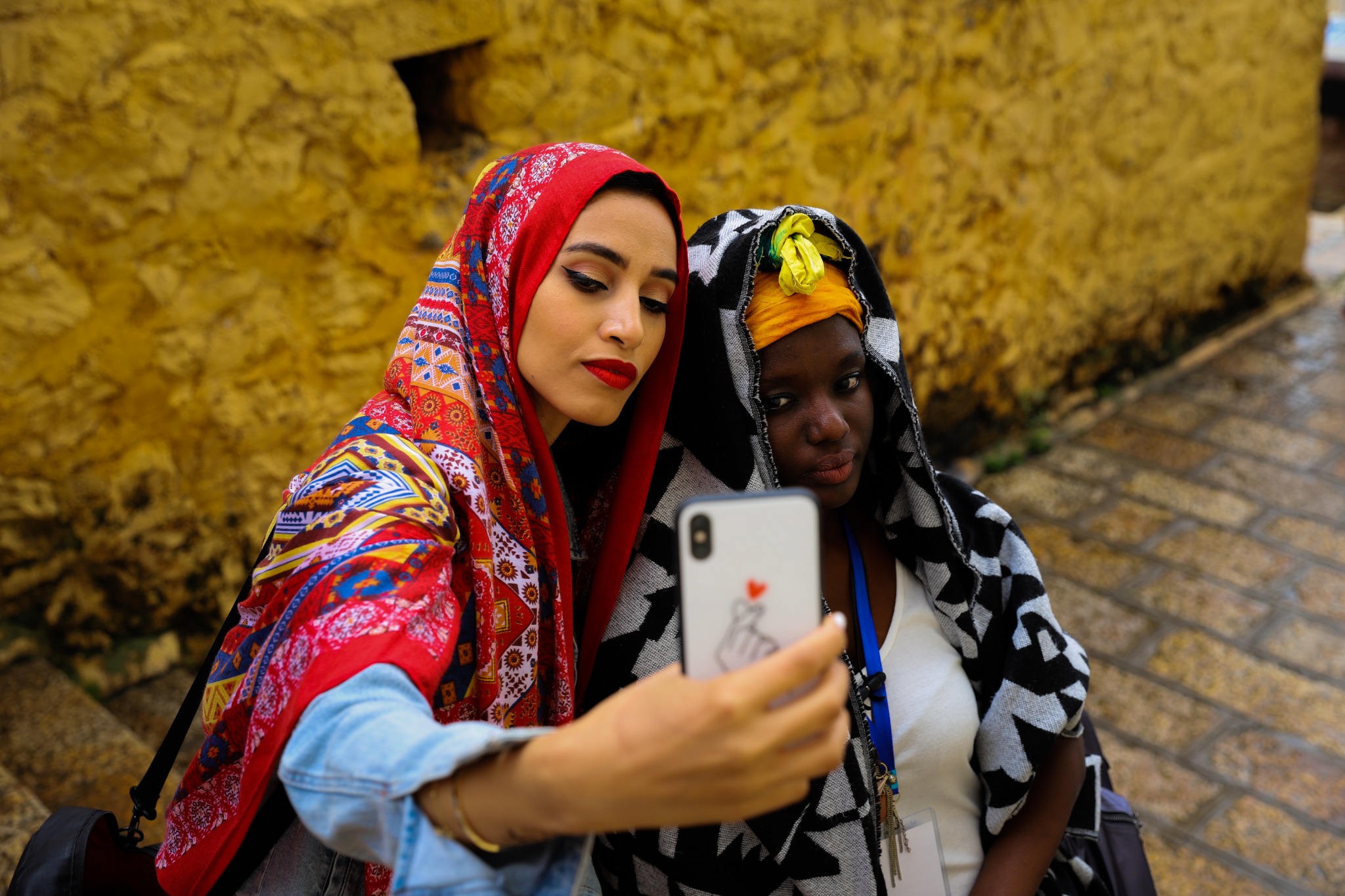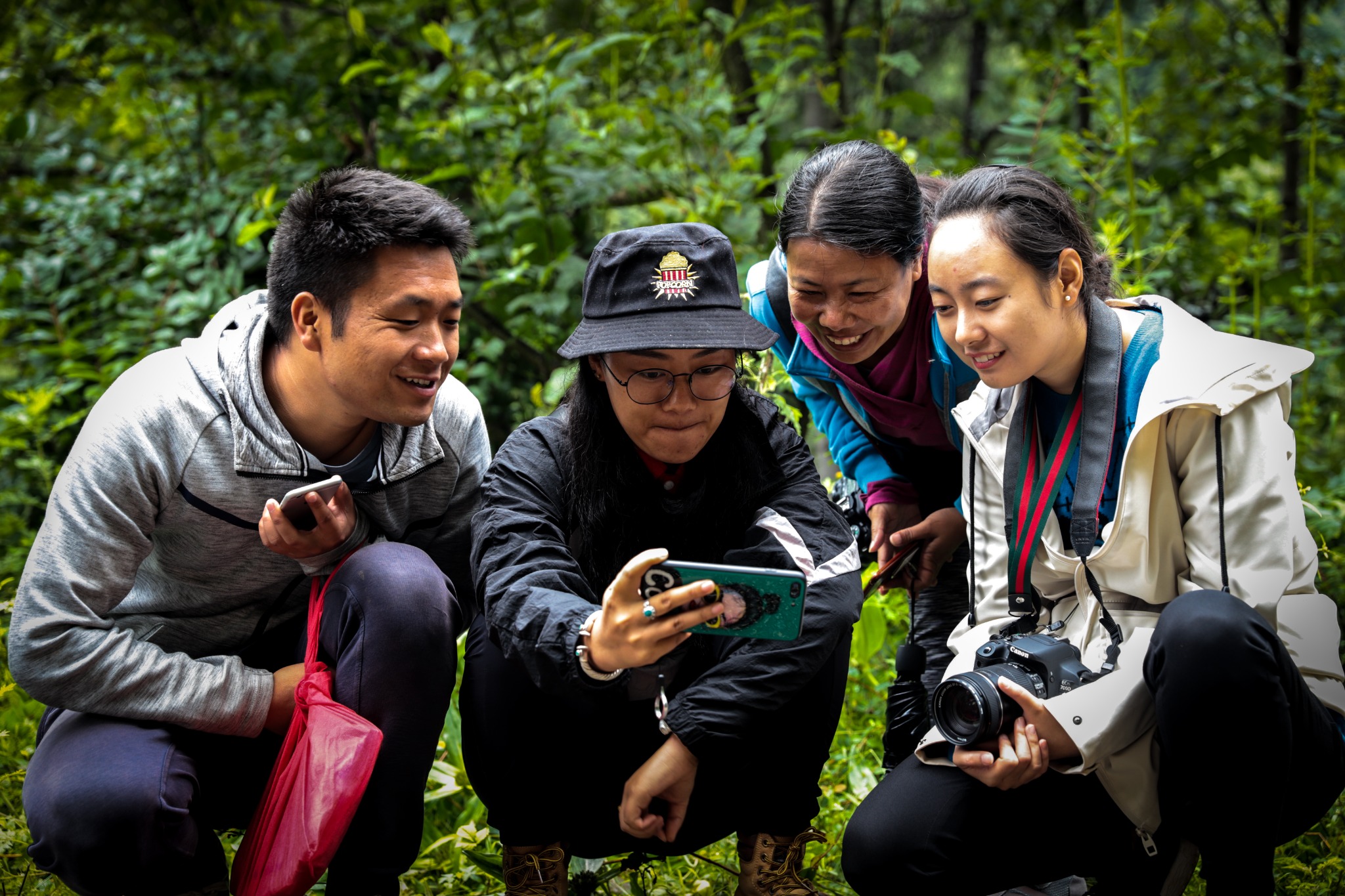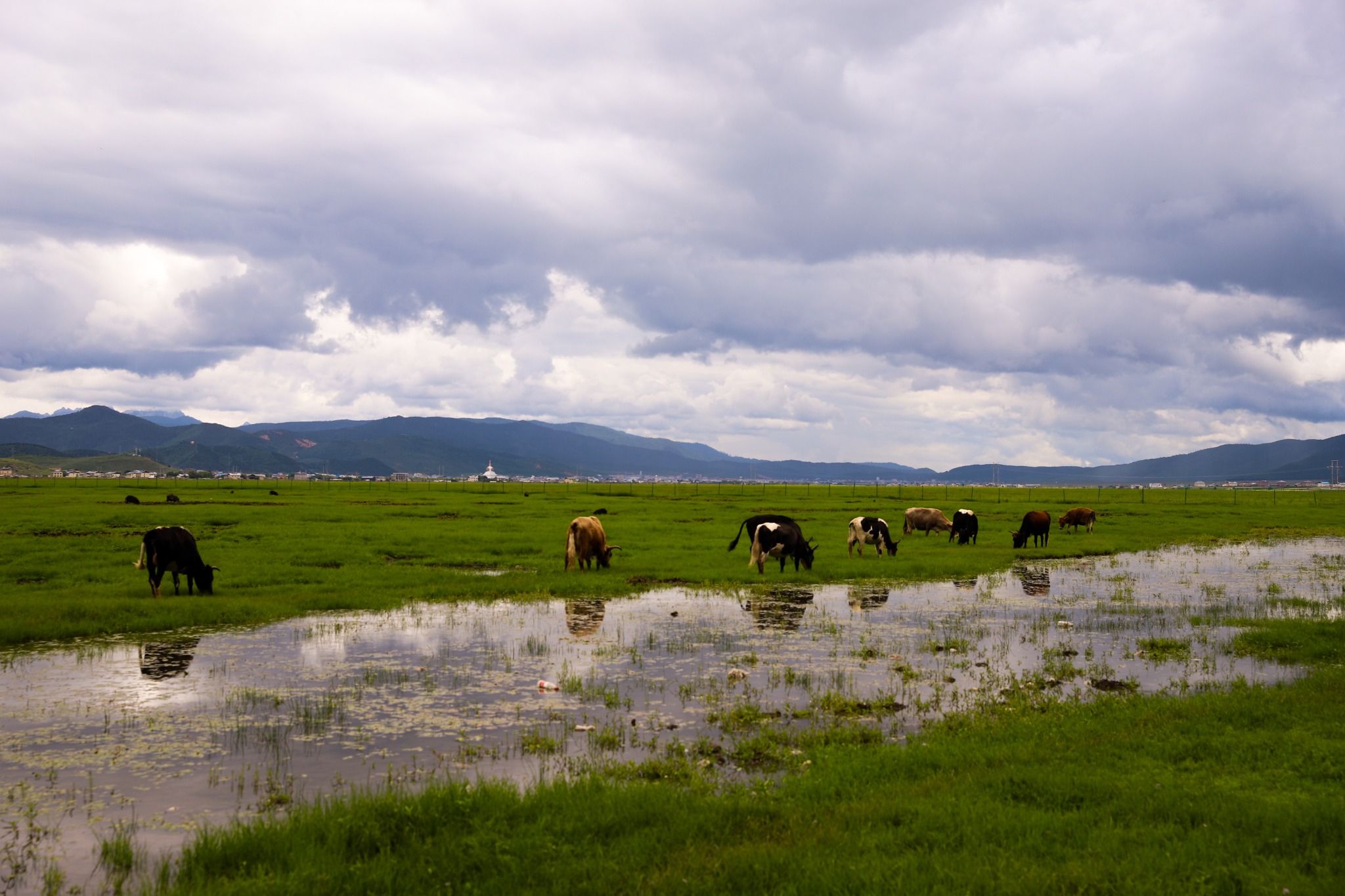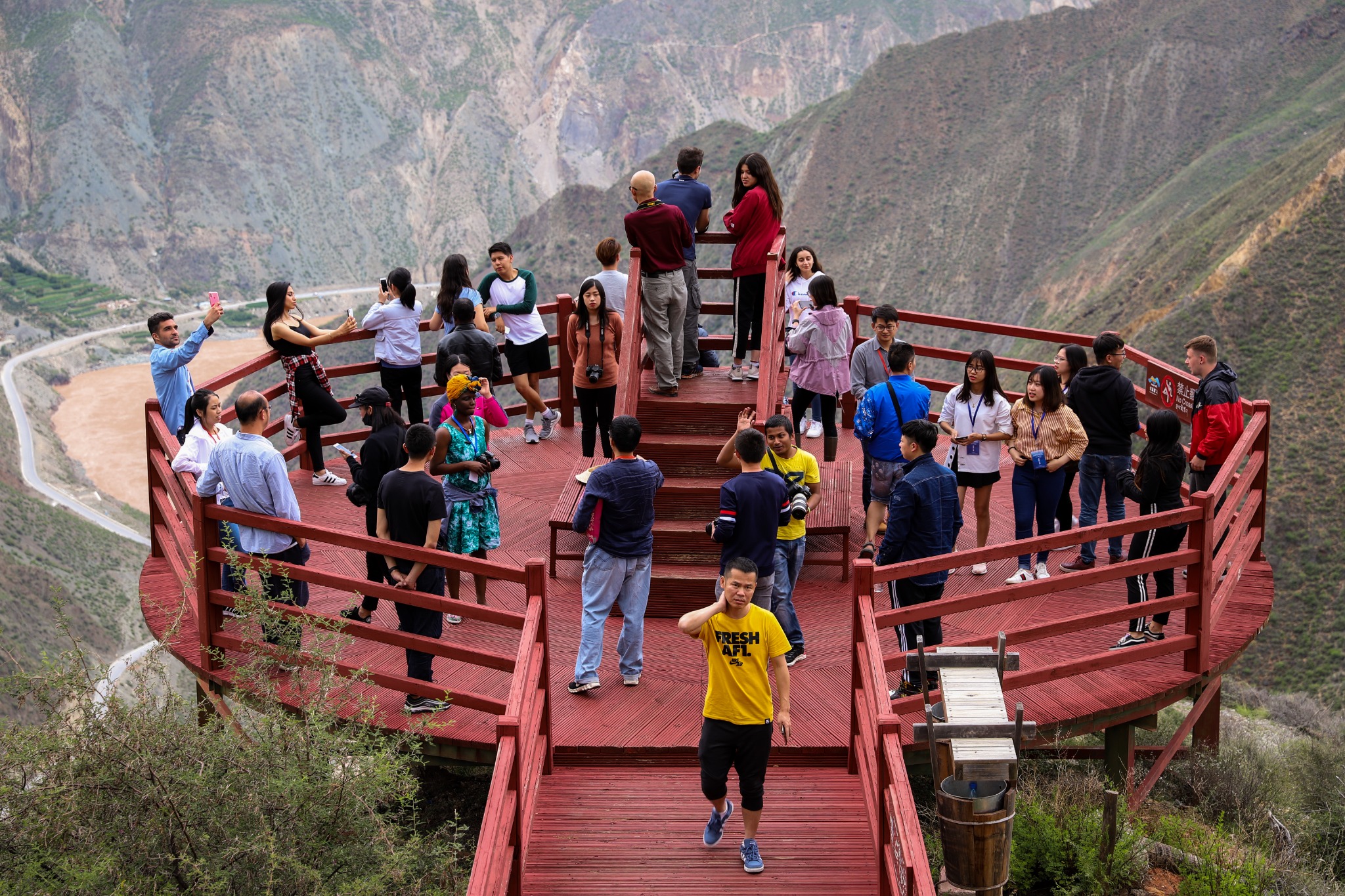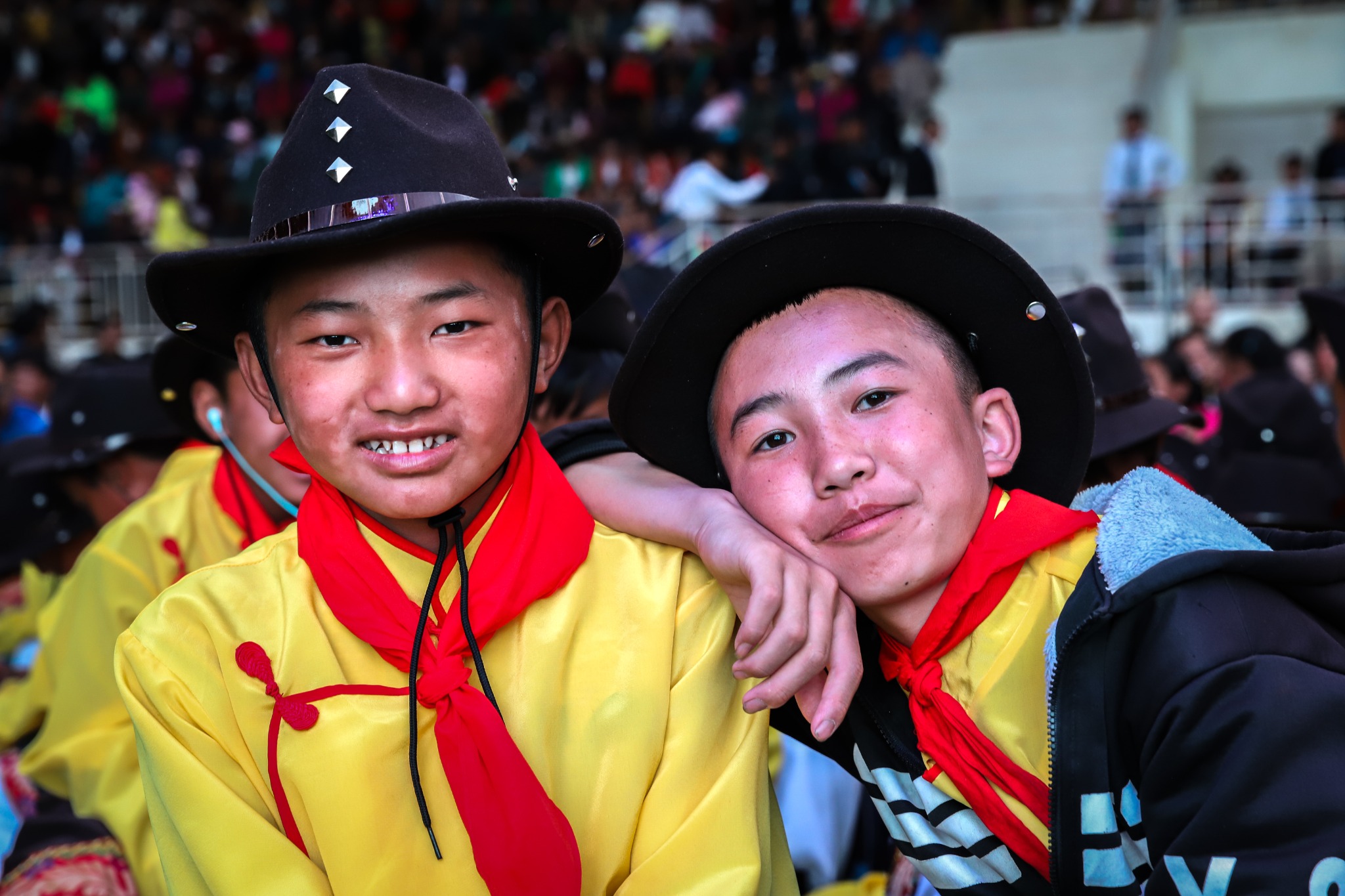

From July 18 to 27, 2018, 21 international students studying in Beijing traded city streets for mountain roads as they joined the “International Students Focus on China Tour,” an initiative organized by the State Council Information Office and the Ministry of Education, together with the Yunnan and Sichuan provincial information offices. The China Intercontinental Communication Center coordinated the program, which brought students from Renmin University of China, Beihang University, and Beijing Language and Culture University to Yunnan Province for a closer look at China’s development in the country’s southwest.
Their journey took them through the Diqing Tibetan Autonomous Prefecture and Lijiang City, where the group witnessed how national policies on ecological protection, poverty alleviation, and ethnic unity have reshaped local communities—particularly over four decades of reform and opening-up.
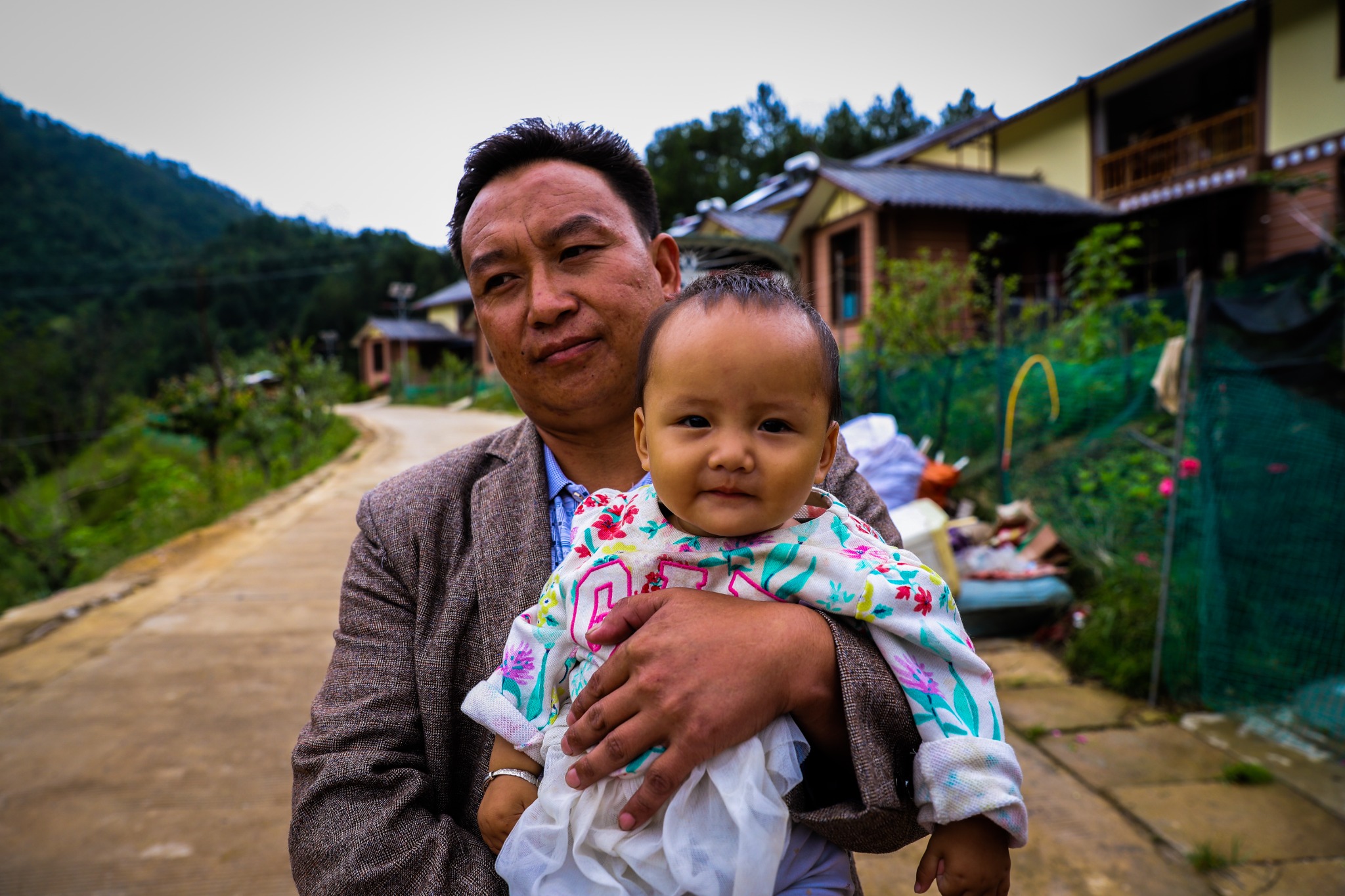
In Diqing, the students visited the 60th Anniversary Museum of the prefecture and toured Bu Village’s grape industry, a model of agricultural revitalization. They traveled on to Deqin County and Mingyong Village, areas recognized for their efforts in promoting ethnic harmony and lifting residents out of poverty.
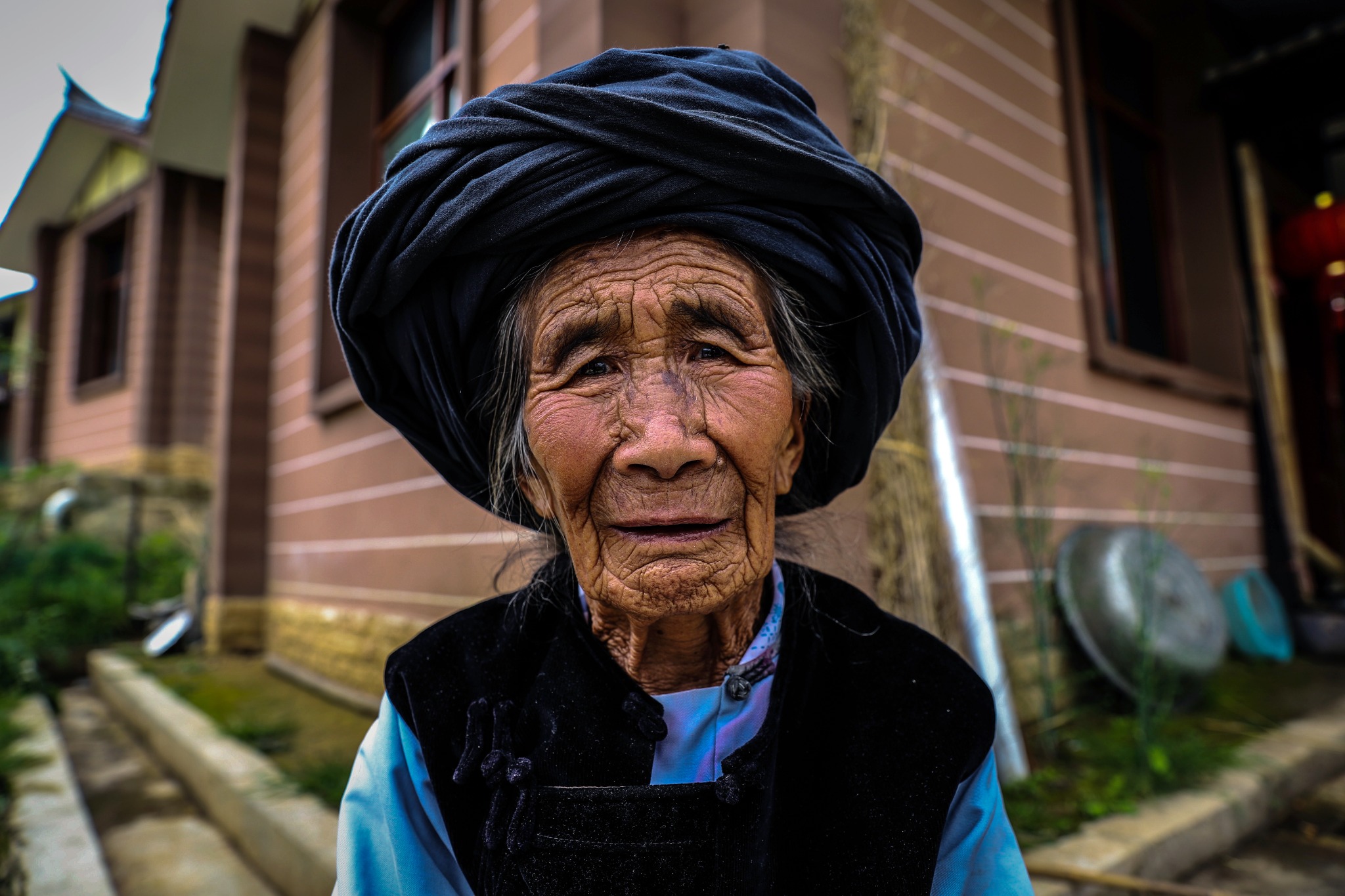
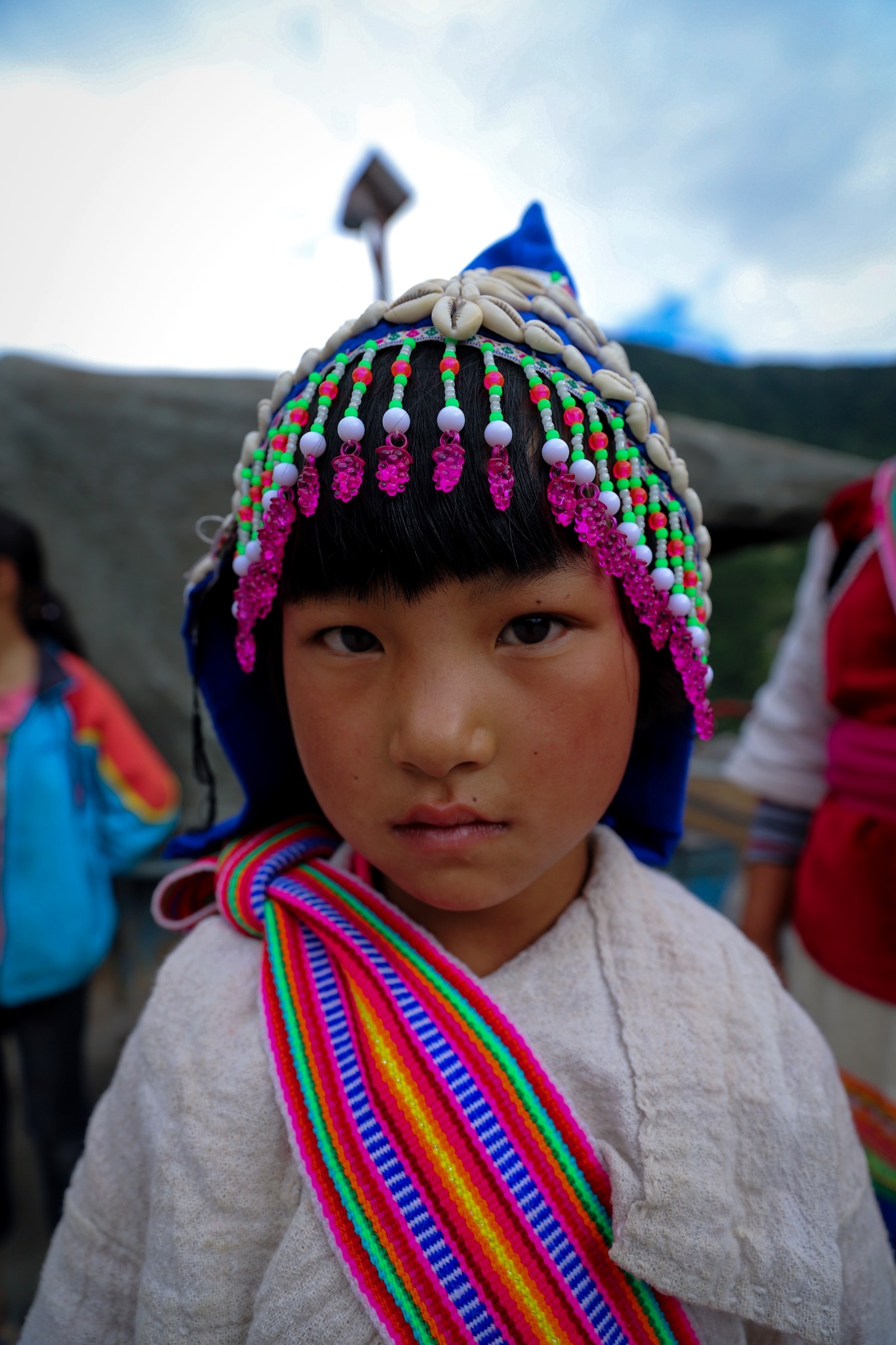
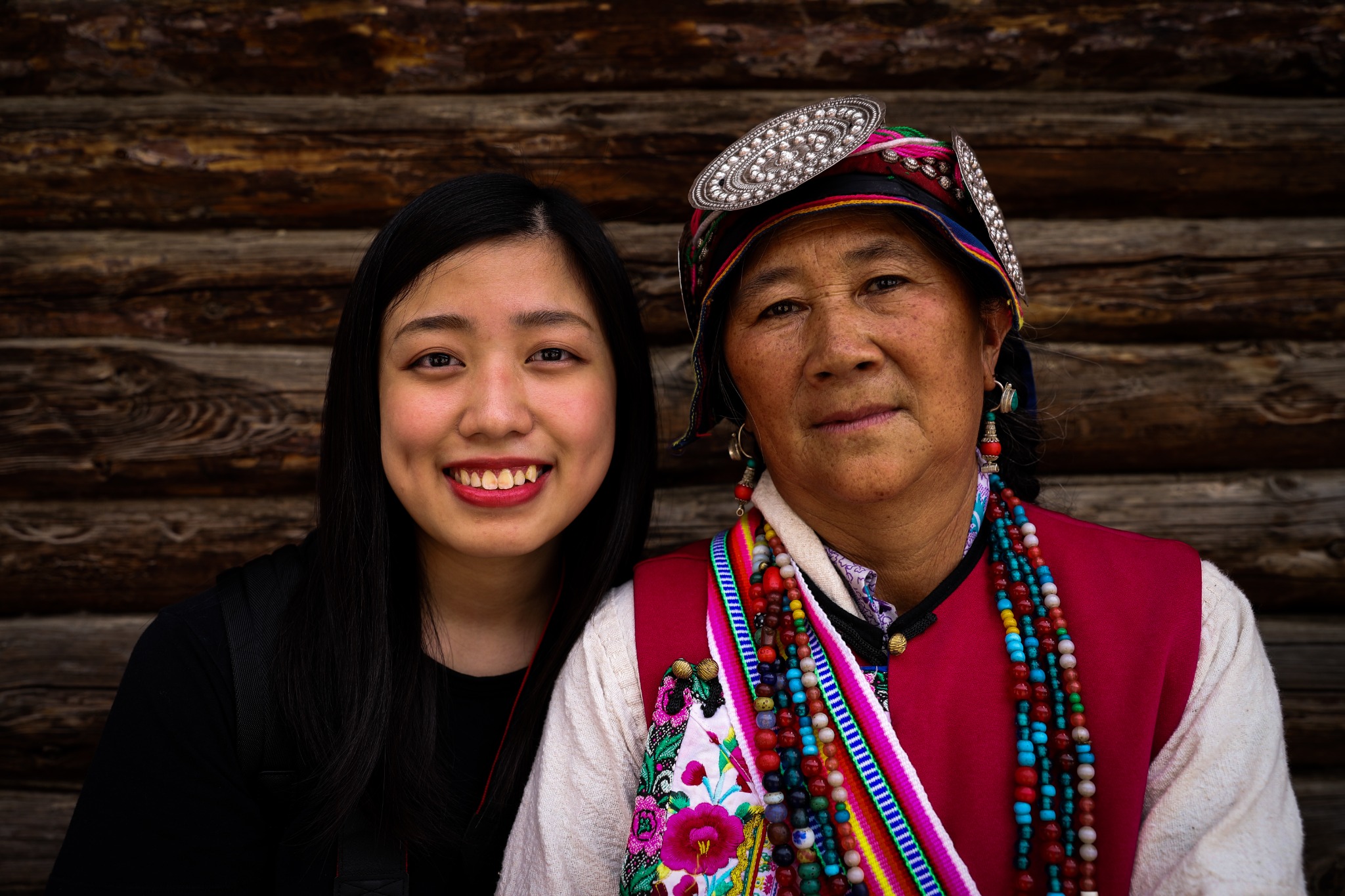
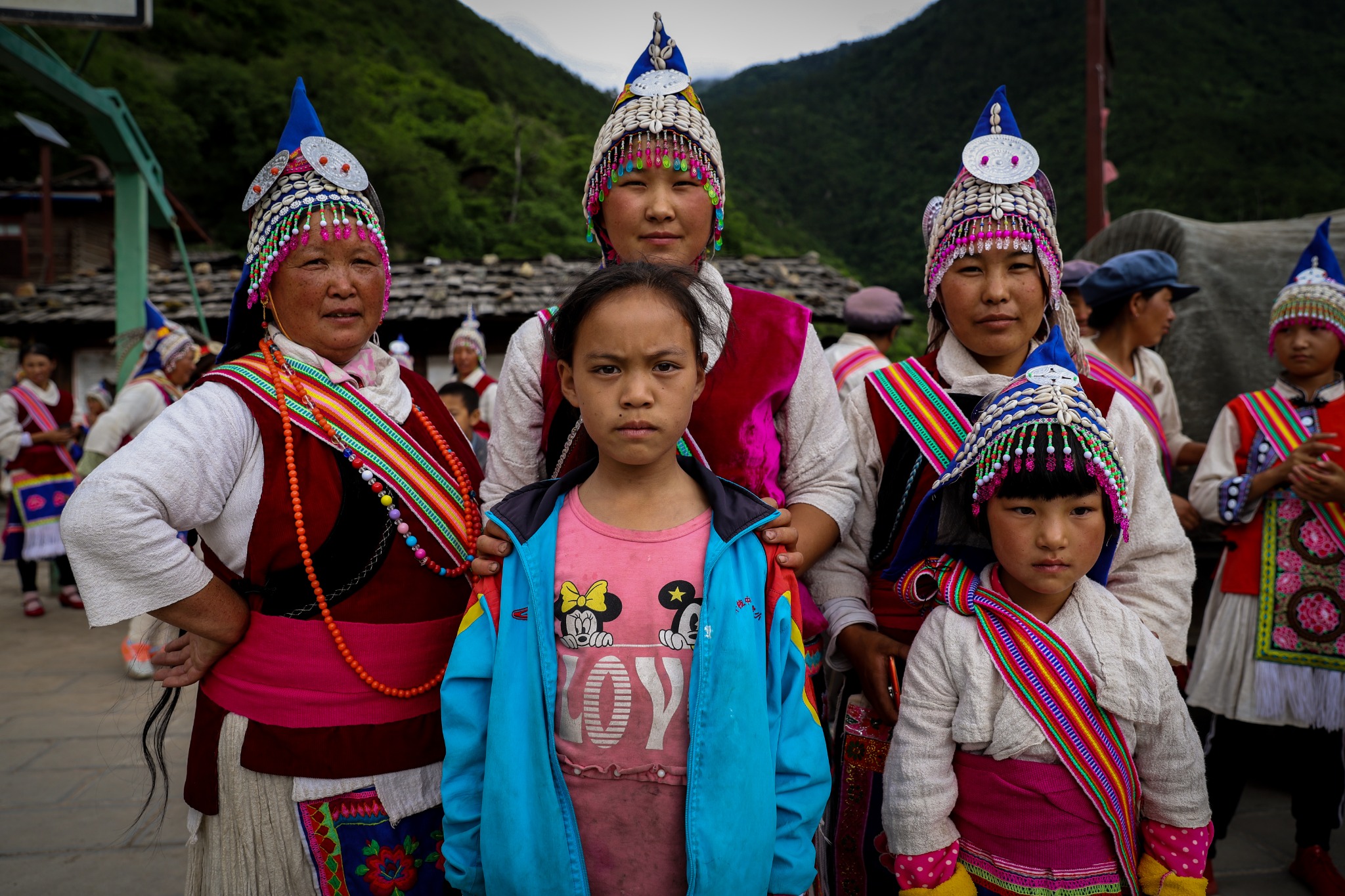
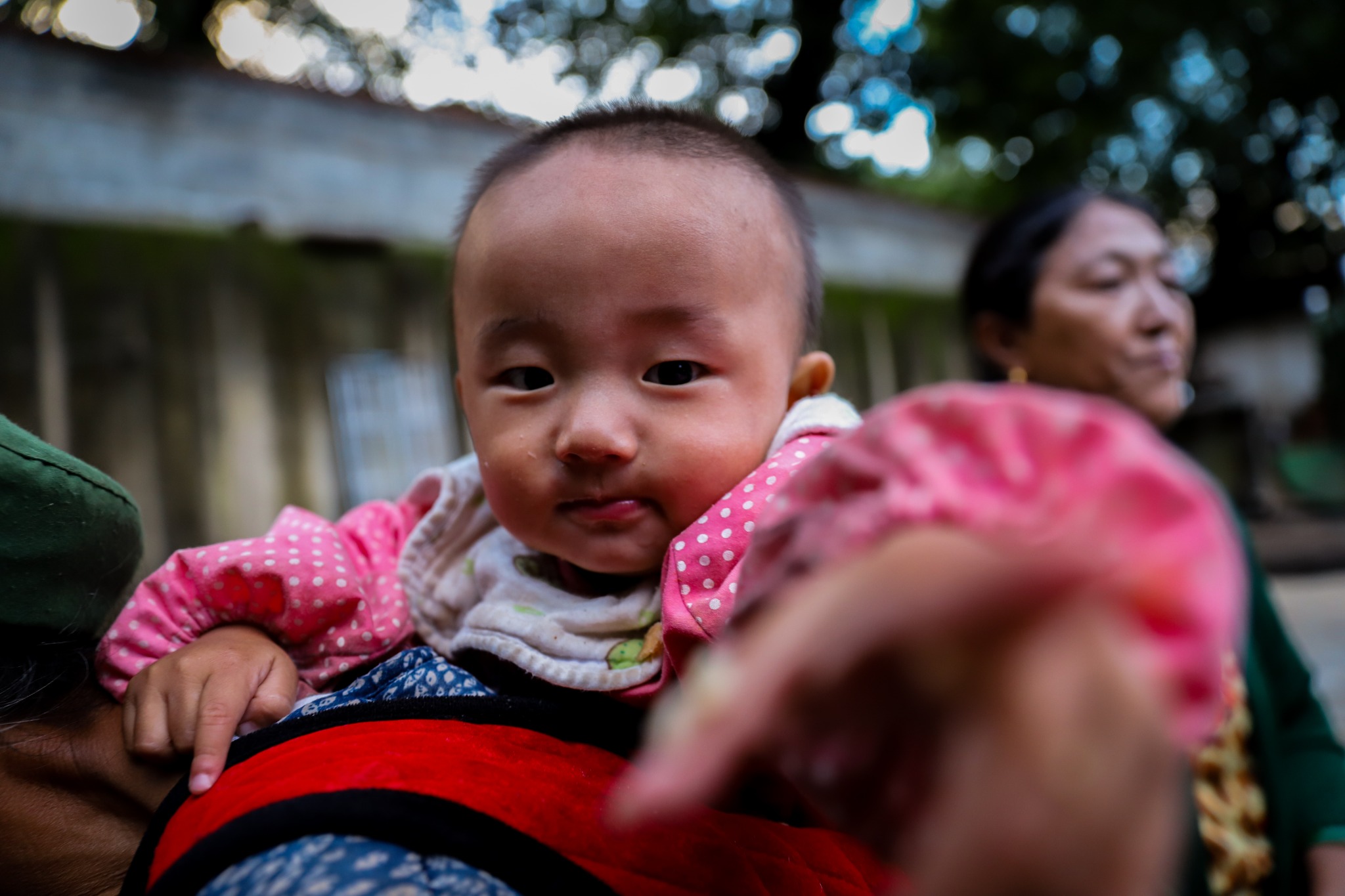
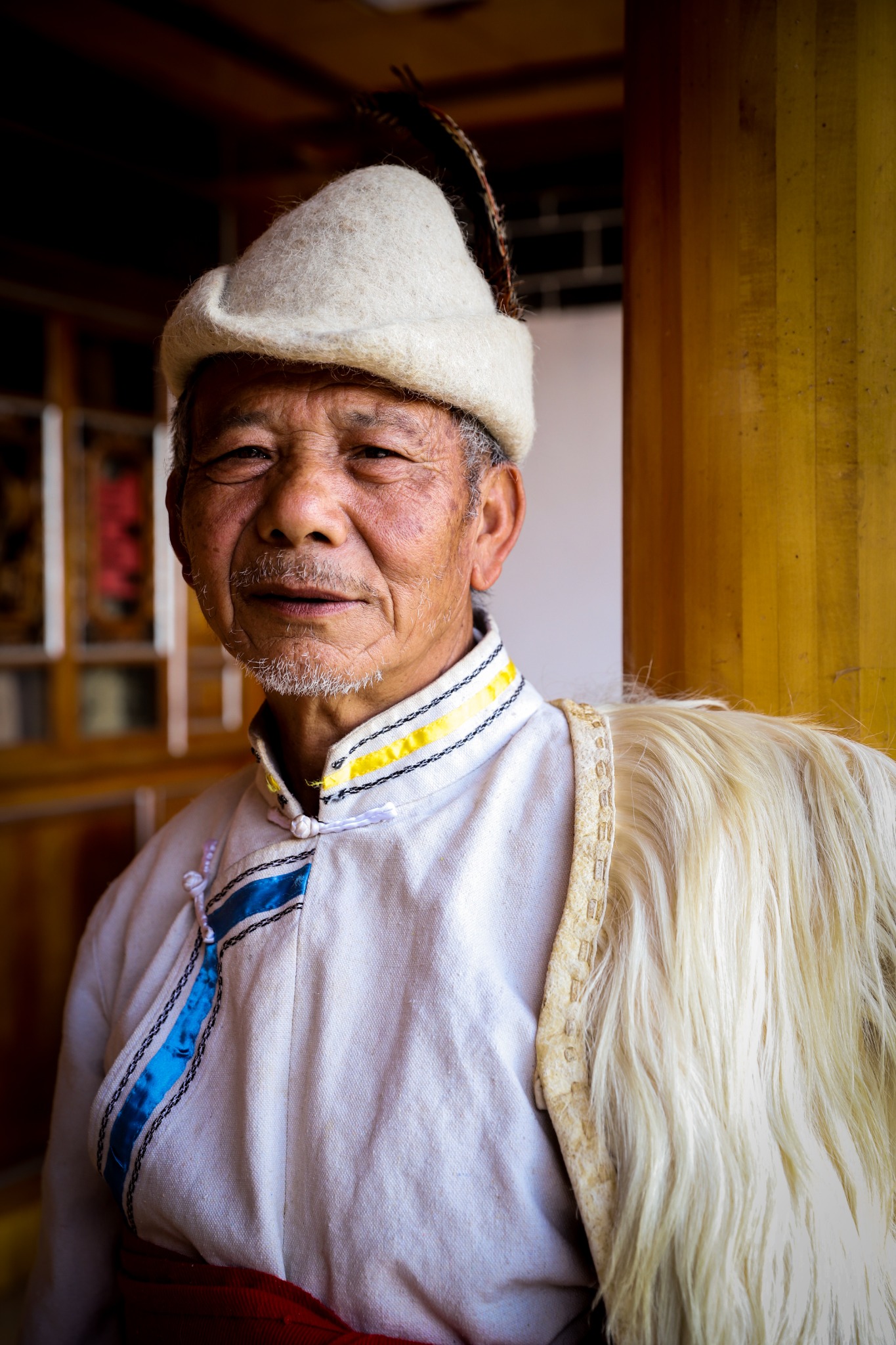
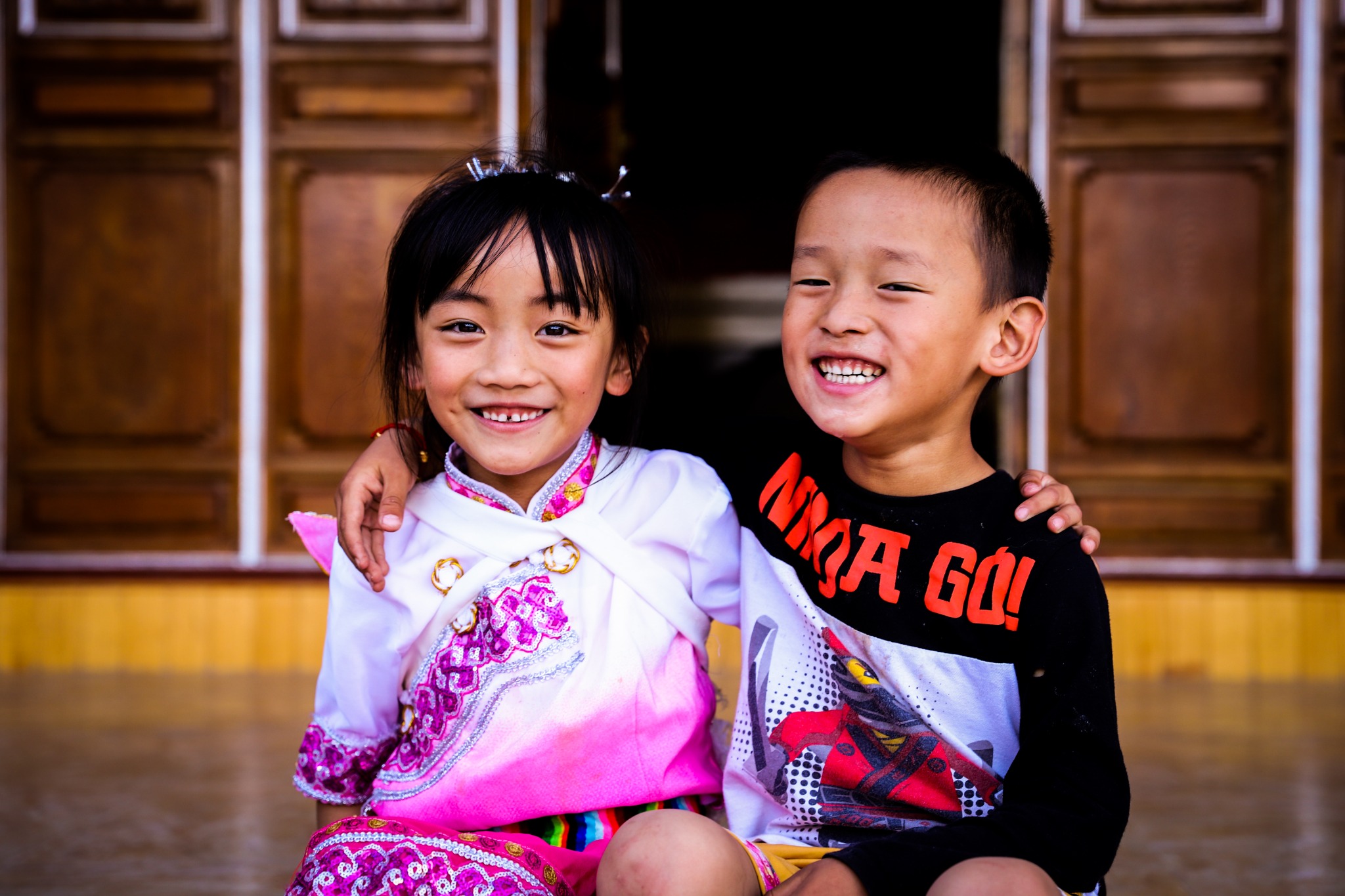
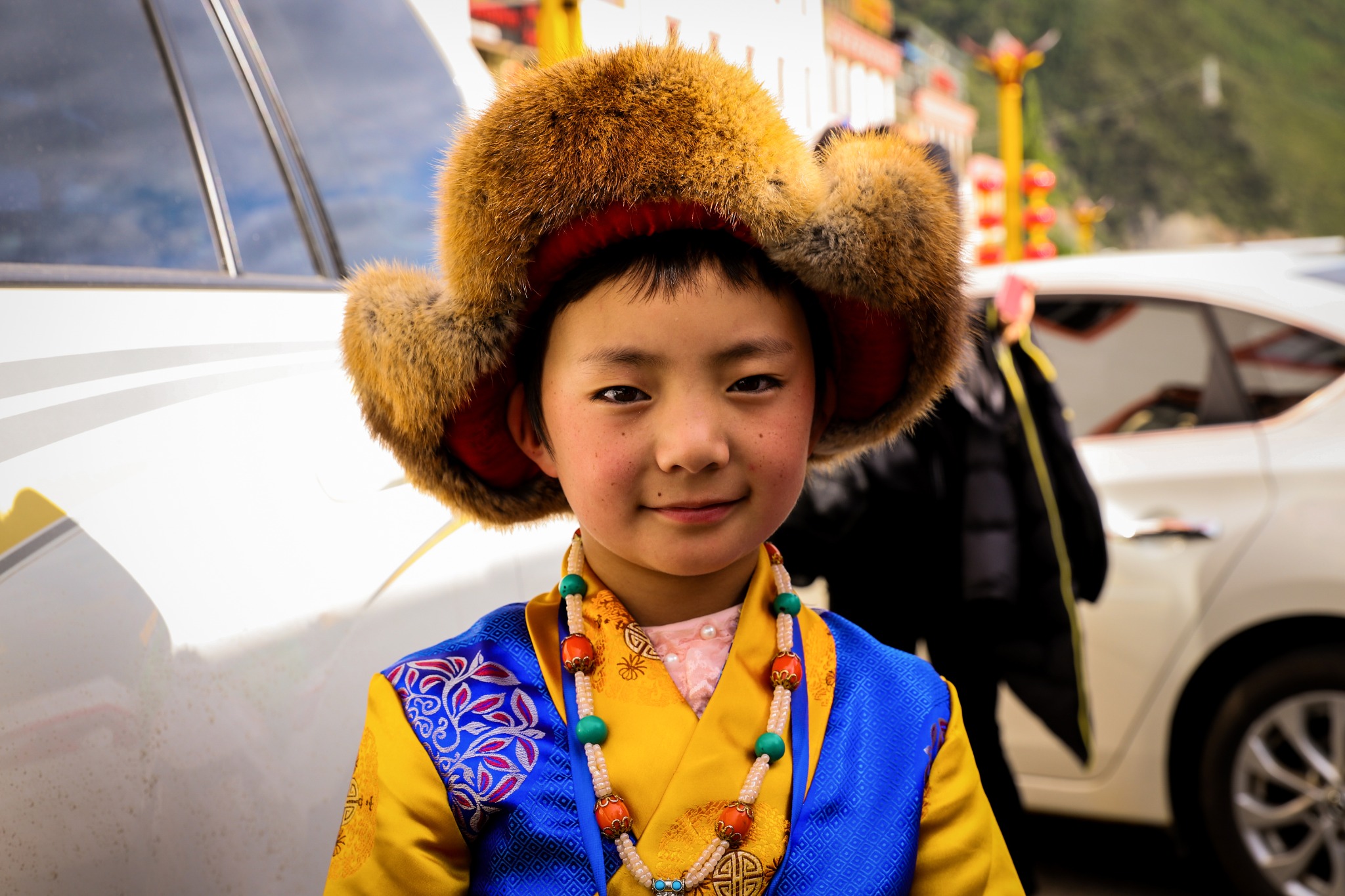
But the trip was as much about people as it was about policy. In Tibetan households, students shared meals, stories, and everyday routines with local families. They also explored the intangible cultural heritage of the Lisu ethnic group in Tongle and Weixi villages, where traditional craftsmanship and music offered a window into centuries-old cultural practices.
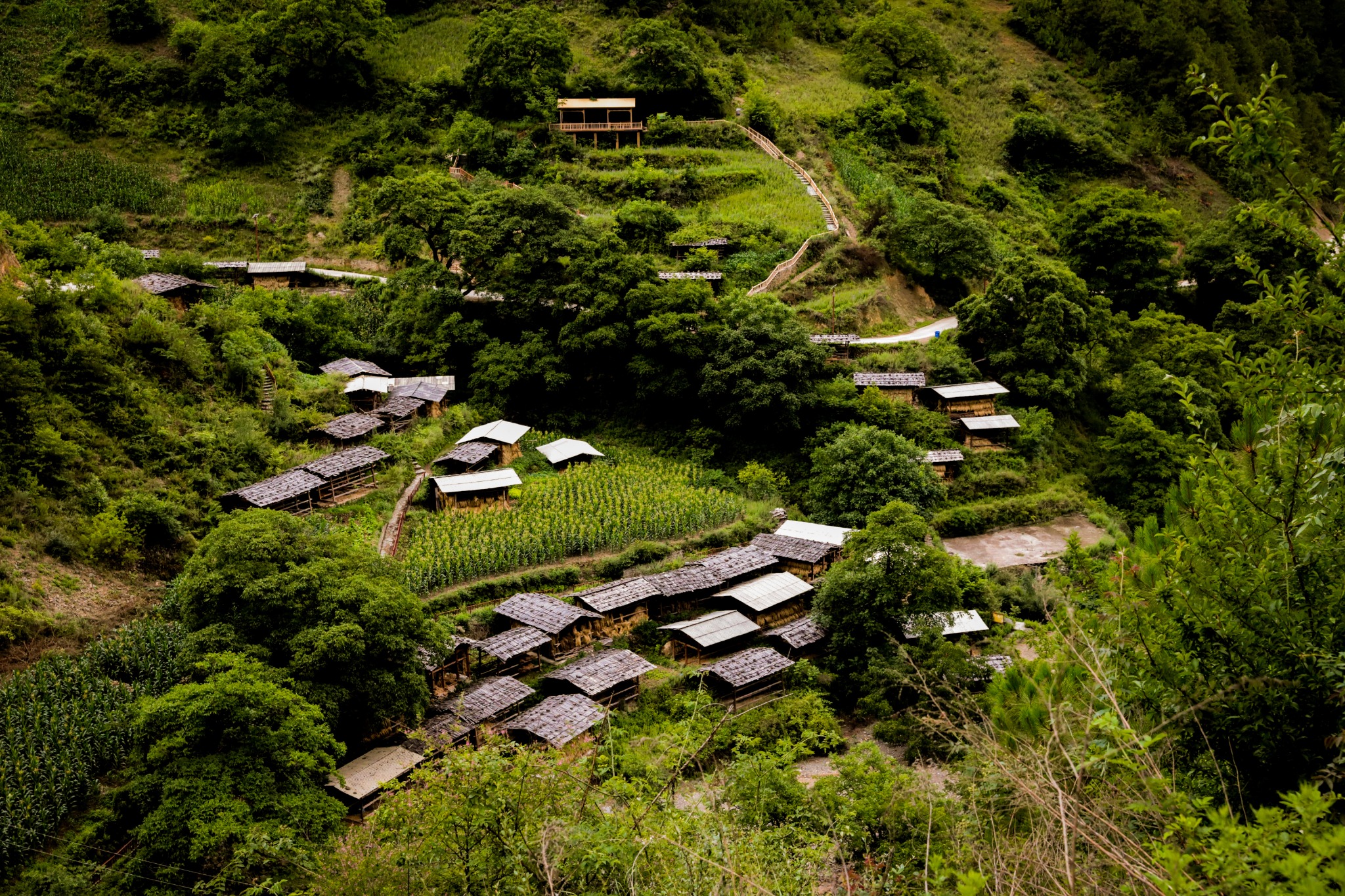
Along the way, the group learned about China’s approach to ecological conservation and natural resource management—issues central to sustainable development in Yunnan’s mountainous landscapes.
By the time the tour concluded, students had gained a richer understanding of the region’s economic progress and environmental stewardship. More than a study trip, the journey offered an immersive look at a rapidly developing region that has remained deeply rooted in its cultural heritage.